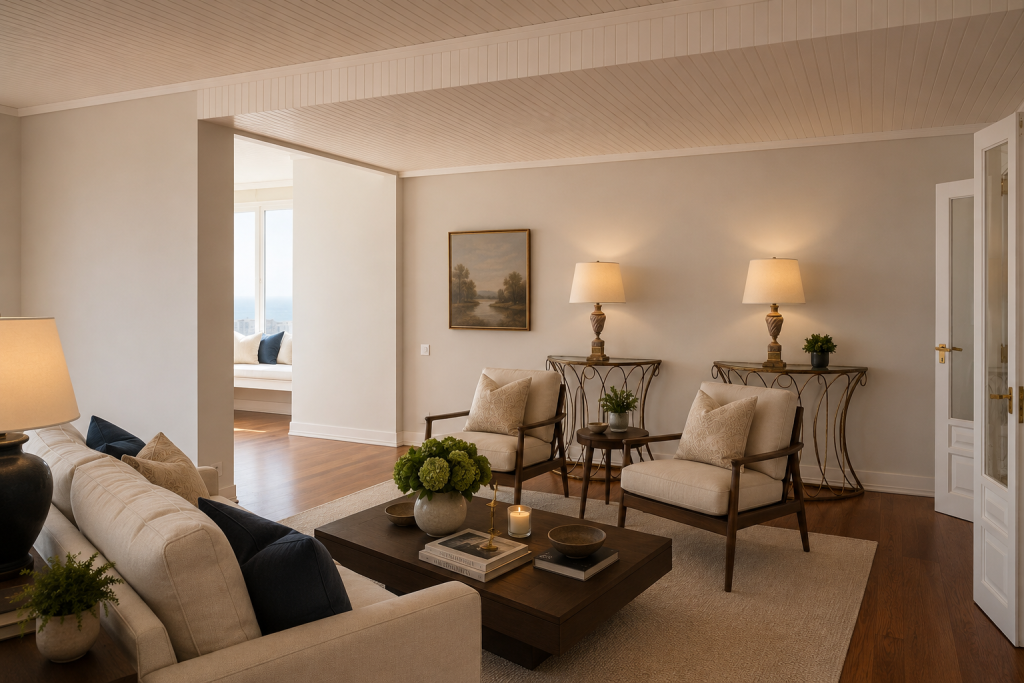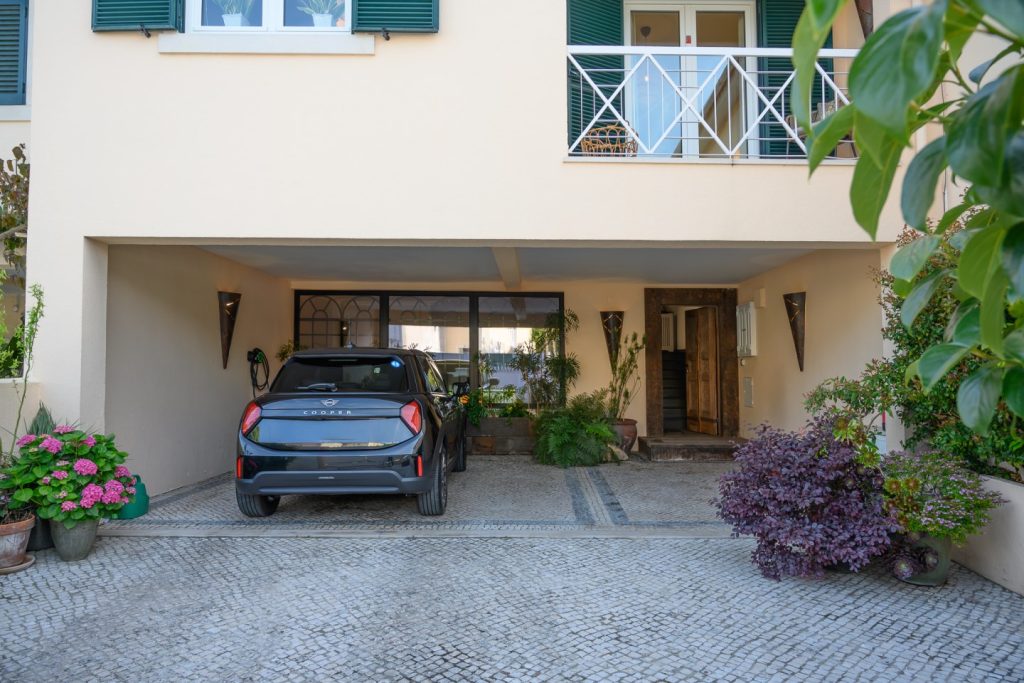

You’ve decided to renovate. Maybe you’ve just bought the property, maybe you’ve lived there for years, or maybe you’ve finally reached the point where you can no longer ignore the kitchen drawer that hits the dishwasher, the bedroom with nowhere sensible for a wardrobe, or the bathroom that has been “temporary” since 2004.
Whatever brought you here, you want the house to work better, look better and feel better — and ideally stay that way for a very long time.
This is where I want you to pause.
A good property renovation isn’t simply about making a house beautiful. It’s about making good decisions now so you don’t find yourself renovating the same space again in five years.
So before we choose the tiles, let’s talk about the house.
Start With What Isn’t Working
Not the kitchen you saved on Instagram. And definitely not the contractor standing in the doorway asking, “So, what are we knocking down?”
First, tell me what annoys you.
Is the layout awkward? Is there never enough storage? Is the kitchen disconnected from where everyone actually eats? Has your family changed? Are you working from home now? Does the house simply no longer fit the way you live?
These questions matter because renovation should solve real problems — not simply create new photographs for your phone.
I want you to finish a renovation wondering why you didn’t do it sooner, not wondering why you spent all that money and still have nowhere to put the vacuum cleaner.
Walk Through the House — Slowly
Room by room, pay attention to the little frustrations.
The hallway where everything accumulates. The beautiful bathroom that is completely impractical. The bedroom with plenty of square metres but nowhere for storage. The kitchen that somehow manages to be three steps away from the dining room and yet completely disconnected from it.
These details are incredibly useful because sometimes the best renovation decision isn’t the biggest one.
Sometimes something has simply been in the wrong place for twenty years.
Think About Tomorrow, Too
A good renovation shouldn’t only solve today’s problems. Ask yourself what this house might need from you in five years. Or ten.
Children grow. Work changes. Parents visit. Guests arrive. We age. A room that needs to be an office today might need to become a bedroom later.
You don’t have to predict your entire future. You simply want enough flexibility that the house can evolve with you.
That, to me, is long-term design.
Layout Before Pretty Things
I know. You want to choose the beautiful flooring.
Soon.
First, how do you move through the house? Where does everyone naturally gather? Which rooms feel cramped? Which ones are barely used? Could the kitchen connect better to the garden? Could an awkward corner become useful storage?
Good renovation planning starts with function. Once the layout works, everything else becomes much easier.
And please don’t knock down a wall simply because you can.
Open-plan living has had a very good run, but not every wall is the enemy. Sometimes walls give us a quiet office, a cosy sitting room, privacy — or somewhere to hide the laundry.
Before anyone arrives with a sledgehammer, let’s find out what the wall is actually doing.
Choose Materials for Real Life
Now we can have some fun.
Stone, wood, tiles, cabinetry, worktops, handles — all those little decisions that suddenly become astonishingly important once you’re renovating.
But look beyond appearance. How will it age? How much maintenance does it require? Will it survive children, dogs, cooking, wet feet and everyday life? Will you still love it after the trend has disappeared from Instagram?
You don’t necessarily need the most expensive material. You need the right one.
Long-term design means choosing things that can actually live with you.
Storage. Please.
A renovation is your opportunity to finally decide where everything goes.
Coats, shoes, suitcases, vacuum cleaners, kitchen appliances, children’s things — and all those mysterious possessions we apparently cannot throw away but also don’t particularly want to look at.
Built-in wardrobes, under-stair cupboards, utility spaces, integrated shelving and clever kitchen cabinetry can make a house feel calmer without adding a single square metre.
Good storage doesn’t need to shout.
It just quietly makes life easier.
Design Around Your Life
This is where renovation becomes personal.
If you love entertaining, the kitchen and dining spaces need to understand one another. If you work from home, you need somewhere that allows you to close the laptop and actually leave work behind. If you have young children, durability matters. If you travel constantly, easy maintenance may matter more than delicate finishes.
And if you love cooking, please design the kitchen around how you cook — not around how somebody else’s kitchen photographs.
Your home should support your habits.
Not constantly fight them.
Light Changes Everything
Lighting is often left until the end. I don’t think it should be.
Look at where the natural light comes from, which rooms receive morning sun, which become darker later in the day, where you need task lighting and where you want something softer.
Good lighting isn’t simply about making a room bright. Sometimes you want bright. Sometimes you want warm. Sometimes you want one little corner that feels completely different at night.
A good lighting plan lets the house change with you throughout the day.
Not Everything Old Needs to Go
This is especially important in Portugal.
Original floors, doors, stonework, carpentry, tiles and architectural details can be precisely what gives an older property its soul.
Renovation does not have to mean erasing the past
Sometimes the best property improvement is preserving the character of the original house while quietly making it work beautifully for modern life.
The goal isn’t to make an old house look brand new.
It’s to give it another chapter.
Your Home Is Not a Fashion Season
Trends are fun. I like them too.
But before choosing the colour that is suddenly everywhere, ask yourself whether you actually love it. Before installing something because you have seen it twenty times online, ask whether it solves a problem.
For the expensive, permanent things, I lean toward choices with longevity. Then have fun with the pieces that are easy to change.
Because eventually Instagram will move on.
You, however, will still own the bathroom.
Get the Right People Involved Early
Depending on the project, you may need architects, engineers, contractors, designers and other specialists. The important thing is knowing who you need — and bringing them in at the right time.
Ask questions. Look at previous work. Check references. Understand who will actually be on site and pay attention to how people communicate.
Anyone can tell you a renovation will be easy.
I’m much more interested in the person who can tell me what might be difficult — and how they intend to solve it.
Honesty is useful.
Especially when walls are about to come down.
The Budget Is More Than the Things You Can See
Nobody’s favourite subject. But we need to talk about it.
A renovation budget isn’t just the kitchen cabinets, beautiful flooring and bathroom fittings. There are also the things behind the walls: electrical work, plumbing, insulation, structural work, permissions, labour and the occasional unpleasant surprise.
The beautiful photograph on your phone doesn’t show any of those things.
A realistic budget does.
The same applies to timing. Materials have lead times, trades need to work in sequence and old houses occasionally reveal things nobody invited to the renovation.
Plan for reality rather than perfection.
And please check delivery times before becoming emotionally attached to something that won’t arrive for twelve weeks.
I have seen this story before.
It rarely ends with everyone feeling calm.
And Where Are You Going to Live?
If you’re planning a significant renovation while staying in the house, think carefully about what that actually means.
Where will you cook? Shower? Work? Store your belongings? And exactly how much dust are you willing to consider part of your décor?
There is no prize for surviving a major renovation while living in the middle of it.
Sometimes moving out temporarily is the smartest decision you make.
This Is What a Good Renovation Actually Does
A thoughtful renovation improves everyday life.
The kitchen finally connects to the garden. There’s somewhere to put the shoes. The lighting makes the house beautiful at night. Your office is somewhere you actually enjoy working. Storage appears where you need it.
These may sound like small things.
They aren’t.
Long-term comfort rarely comes from one dramatic feature. It comes from hundreds of little decisions that make life easier, every single day.
At Wiley & Partners, We Look at the Whole House
At Wiley & Partners, I don’t see renovation as simply a construction project.
I want to understand the property, its character, the people living in it and what they want the house to become.
The layout. The light. The materials. The storage. The practical details. What should change — and equally importantly, what absolutely shouldn’t.
Because sometimes the best renovation isn’t the biggest one.
It’s the one that solves the right problems.
Before You Renovate…
Don’t start with the tiles.
Start with a few questions: What isn’t working? What could work better? What do I need now? What might I need later? What gives this house its character? What should stay?
Then we can walk through the property and look at the possibilities.
If you’re considering renovating your home in Portugal, contact Wiley & Partners. We’ll start with the property, then talk about the life you want to create inside it.
Because the best renovation isn’t the one that looks impressive on completion day.
It’s the one that still feels right years later.
Frequently Asked Questions
1. What should I consider before renovating?
Start with what isn’t working rather than what you want to buy. Think about layout, storage, light, how your family uses the house today and how those needs may change. A good renovation should solve problems, not simply disguise them.
2. Should I focus on layout or décor first?
Layout. Always understand how a space should work before deciding how it should look. Once movement, proportions and function are right, materials, furniture and décor become much easier to choose.
3. How do I choose materials that will last?
Think beyond appearance. Consider durability, maintenance, how materials age and whether they suit your actual lifestyle. You want to live with your materials — not reorganise your life around protecting them.
4. Should I preserve original features?
Often, yes. Original floors, stone, doors, tiles, woodwork and architectural details may be exactly what gives a Portuguese property its character. Modernisation and preservation do not have to be opposites.
5. How much storage should I include?
Probably more than you think. Plan it from the beginning rather than trying to squeeze it in afterwards. The best storage becomes part of the architecture and quietly makes the whole house easier to live in.
6. How do I avoid a renovation becoming dated?
Use more timeless choices for expensive or difficult-to-change elements and have fun with the things that can evolve. Your home should reflect you, not whatever happens to be trending this month.
7. Should I live in the house during renovation?
It depends on the scale. One bathroom may be manageable. No kitchen, several bathrooms, structural work and enough dust to make every surface the same colour? You may want to reconsider.
There is no prize for making your life unnecessarily difficult.
8. When should I involve architects, engineers or other professionals?
Early. Exactly who you need depends on the property and scope of work, but identifying the right professionals before construction begins can prevent expensive changes and delays later.
A good renovation starts long before the builders arrive.